
The Beauty and Charm of Coloured Gemstone Engagement Rings
When it comes to engagement rings, diamonds have long been the go-to choice for many couples. But in recent years, coloured gemstone engagement rings have been growing in popularity, offering a striking and meaningful alternative. Whether it’s the rich hues of sapphires, the soft glow of morganites, or the vibrant sparkle of emeralds, coloured gemstones bring a unique beauty and personal touch to this symbol of love.
But how did the engagement ring tradition begin? And why are coloured gemstones becoming such a sought-after choice? Let’s take a look at the history of adding colour to this timeless piece of jewellery.

A Brief History of Engagement Rings
The tradition of engagement rings dates back thousands of years, with the ancient Egyptians believed to be the first to exchange rings as a symbol of eternal love. They used simple bands of braided reeds or leather, often worn on the fourth finger of the left hand, which was believed to contain the “vein of love,” directly connected to the heart.
However, the engagement ring as we know it today began to take shape during the Roman Empire, where rings symbolised a formal contract of marriage. The Romans also began the tradition of using precious metals like gold and silver. It wasn’t until the 15th century that diamonds were first used in engagement rings. Archduke Maximilian of Austria is credited with commissioning the first documented diamond engagement ring for his fiancée, Mary of Burgundy, in 1477. This set the precedent for the diamond as the gem of choice for engagement rings, a trend solidified by clever 20th-century marketing campaigns.
But while diamonds have dominated the scene, coloured gemstones have always held a special place in the world of jewellery, and many are now rediscovering their allure.
The Charm of Coloured Gemstone Engagement Rings
One of the main reasons couples are choosing coloured gemstones is their vibrant beauty. Each stone has its own unique story and character, offering a world of options to reflect personal style and meaning. Here are a few popular choices:
Sapphires: Sapphires come in a range of colours, from the iconic deep blue to soft pinks, yellows, and even green. They are known for their durability, making them a great choice for a lifelong piece of jewellery.
Emeralds: The lush green of emeralds is captivating and represents growth and harmony. Emeralds have a rich history, often associated with royalty and luxury.
Rubies: The intense red hue of rubies symbolizes passion and love, making them an ideal choice for an engagement ring.
Morganites: Known for their soft blush-pink hue, morganites are a romantic and subtle option, perfect for those who prefer a more understated yet still colourful gemstone.
Aquamarines: With their serene blue hue, aquamarines evoke the calmness of the sea, making them perfect for someone who loves nature and tranquillity.

Why Bespoke Jewellery is the Perfect Route for Coloured Gemstones
One of the most exciting things about choosing a coloured gemstone engagement ring is the opportunity to go bespoke. When you choose a bespoke jeweller, you have the creative freedom to design a ring that is truly unique and meaningful to you and your partner.
Infinite Customisation: Going bespoke allows you to incorporate as many gemstones as you like, creating a colourful palette that reflects your personality. Whether you want a single statement gemstone or a combination of several, the possibilities are endless.
Rare and Unique Gemstones: Bespoke jewellery also gives you access to gemstones that are less common, making your engagement ring truly one-of-a-kind. Think of rare gems like alexandrite, which changes colour depending on the light, or tourmaline, which comes in a stunning range of hues. You can even find birthstones or gems that have personal significance, creating a ring full of sentimentality.
A Colourful Story: Each gemstone tells its own story, whether it's through its origin, colour, or the emotions it evokes. A bespoke coloured gemstone engagement ring allows you to tell a unique love story through the design and selection of stones, making it a meaningful piece that will be treasured for years to come.
Add a Splash of Colour to Your Forever Moment
Coloured gemstone engagement rings are more than just a trend – they are a timeless way to express individuality, love, and creativity. Choosing a bespoke ring allows you to play with colour and design, making a truly personal statement. Whether you’re drawn to the deep blues of sapphires, the bold red of rubies, or the enchanting green of emeralds, there’s a world of colour waiting to be explored.

A Brief History of Jewellery and a Look at the Future
The history of jewellery making dates back millennia, with the first know jewellery pieces – specifically perforated beads made from seashells, being created by Neanderthals around 115,000 years ago. Stone, marble and ostrich egg pieces, dating to around 40,000 years ago have been found in Kenya and Russia, with crude necklaces and bracelets made from bone, berries, teeth and stone dating to around 11,000BC being found in Europe.
String of beads, 3650-3100 BC.
The history of jewellery making dates back millennia, with the first know jewellery pieces – specifically perforated beads made from seashells, being created by Neanderthals around 115,000 years ago. Stone, marble and ostrich egg pieces, dating to around 40,000 years ago have been found in Kenya and Russia, with crude necklaces and bracelets made from bone, berries, teeth and stone dating to around 11,000BC being found in Europe.
Copper jewellery began appearing 7,000 years ago, with the first established jewellery making practices in Ancient Egypt around 3,000–5,000 years ago. The Egyptians preferred the luxury of gold and other metals over copper, and their jewellery would often symbolise political and religious power, being worn by wealthy Egyptians in both life and death.
Around 5,000 years ago jewellery-making had become a significant craft in Europe and the Middle East with the ancient civilisations of Mesopotamia, Greece, Rome and the Etruscan’s manufacturing jewellery using precious metals and semi-precious stones.
It is thought that diamonds were originally mined in India 3,000-6,000 years ago, with the Romans importing Indian diamonds and Sri Lankan sapphires as early as 2,000 years ago, whilst in Roman-ruled England Whitby Jet was being carved into jewellery pieces. Both Greek and Roman jewellery was often worn to give the wearer protection from the ‘Evil Eye’ or endow them with supernatural powers.
The Indian subcontinent has the longest continuous legacy of jewellery making in the world with over 5,000 years of manufacturing. Chinese jewellery-making began at a similar time and became more widespread with the spread of Buddhism around 2,000 years ago.
By the 17th Century, the Renaissance and increased trade throughout the world had a significant impact on jewellery in Europe, with a wider variety of gemstones and exposure to different cultures seeing an increase in jewellery that showcased gemstones and their settings. A trend that has continued with modern jewellery.
Formlabs Form 3 Printer
With the advent of new materials, colouring techniques, computer aided design (CAD) and 3D printing, modern jewellery comes in a multitude of styles.
3D printing as a production technique has gained more importance over the last few years and for that reason Form Bespoke Jewellers recently invested in a 3D printer for our Leeds workshop. Although we won’t use 3D printing in the manufacturing process of the bespoke jewellery our customers take home, 3D printing allows us to create a 3D model for our customers to view, try-on and check over before the final precious metal piece is handmade by our jewellers.
After much research Form Bespoke Jewellery purchased the Formlabs - Form 3 Printer. This Low Force Stereolithography (LFS) technology 3D printer uses linear illumination (lasers) and a flexible tank to turn liquid resin into solid parts, delivering accurate and repeatable prints.
So whilst jewellery making may have millennia of history, and to this day we still use techniques that have been used for thousands of years, new technologies play a vital role in our industry for both our jewellers and our customers.
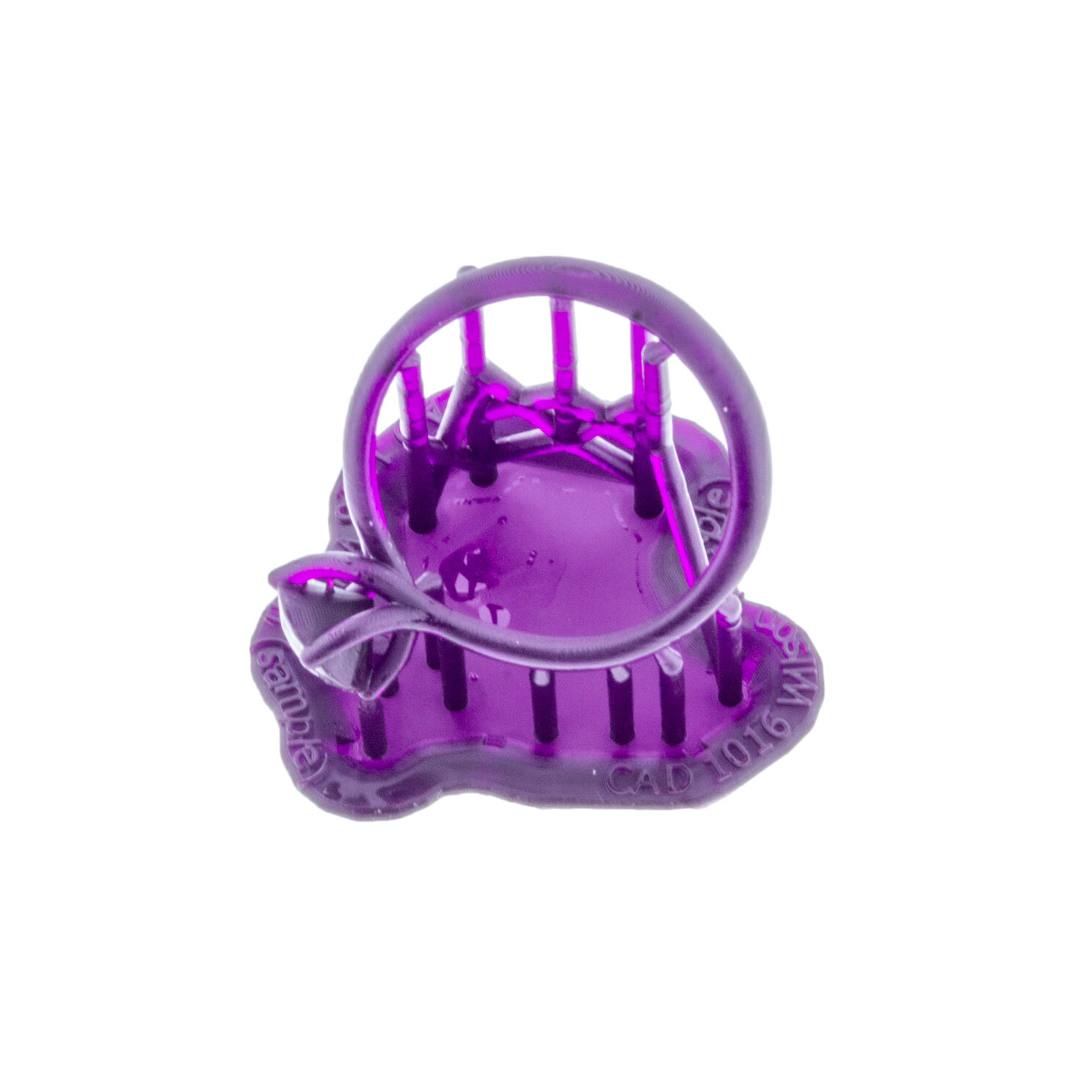
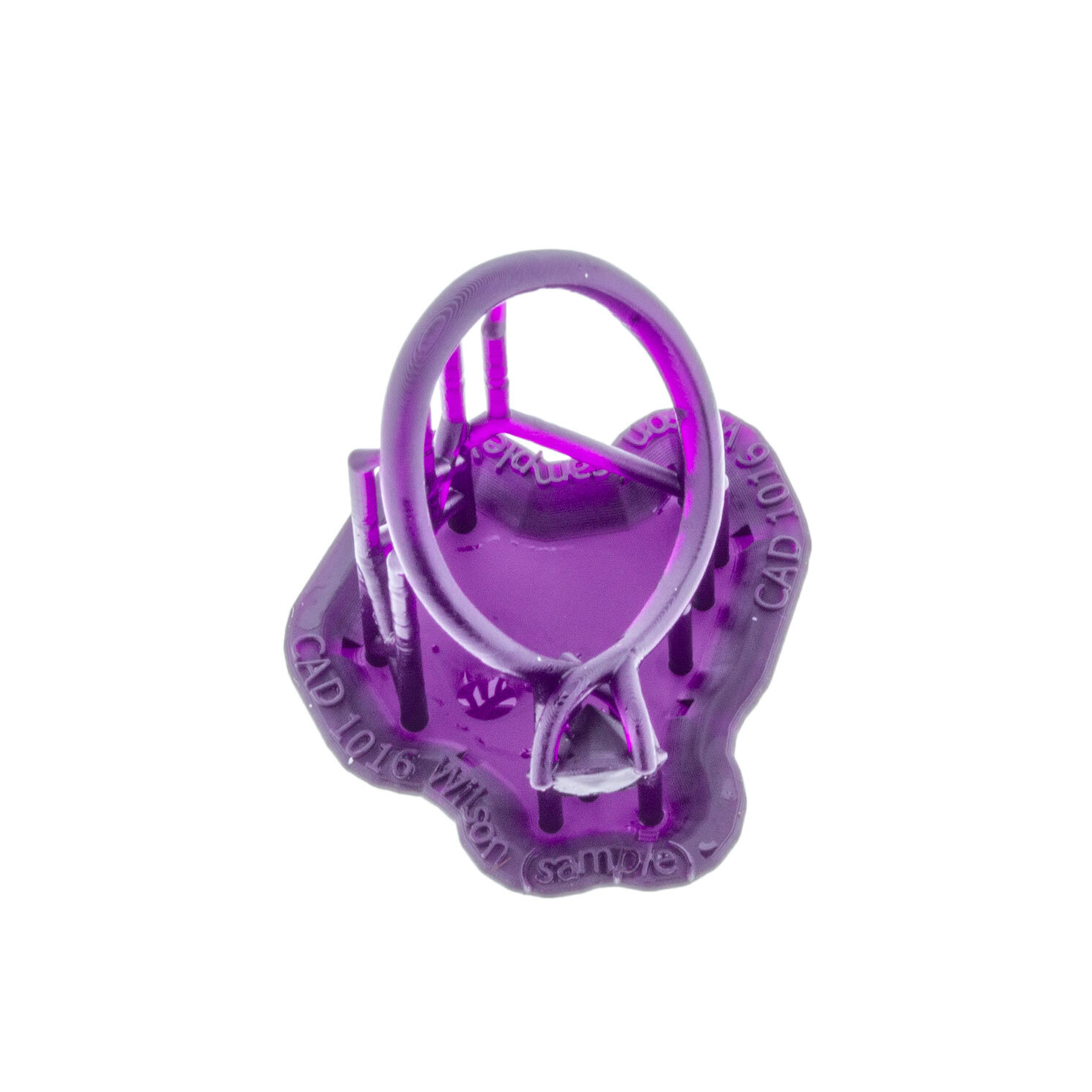
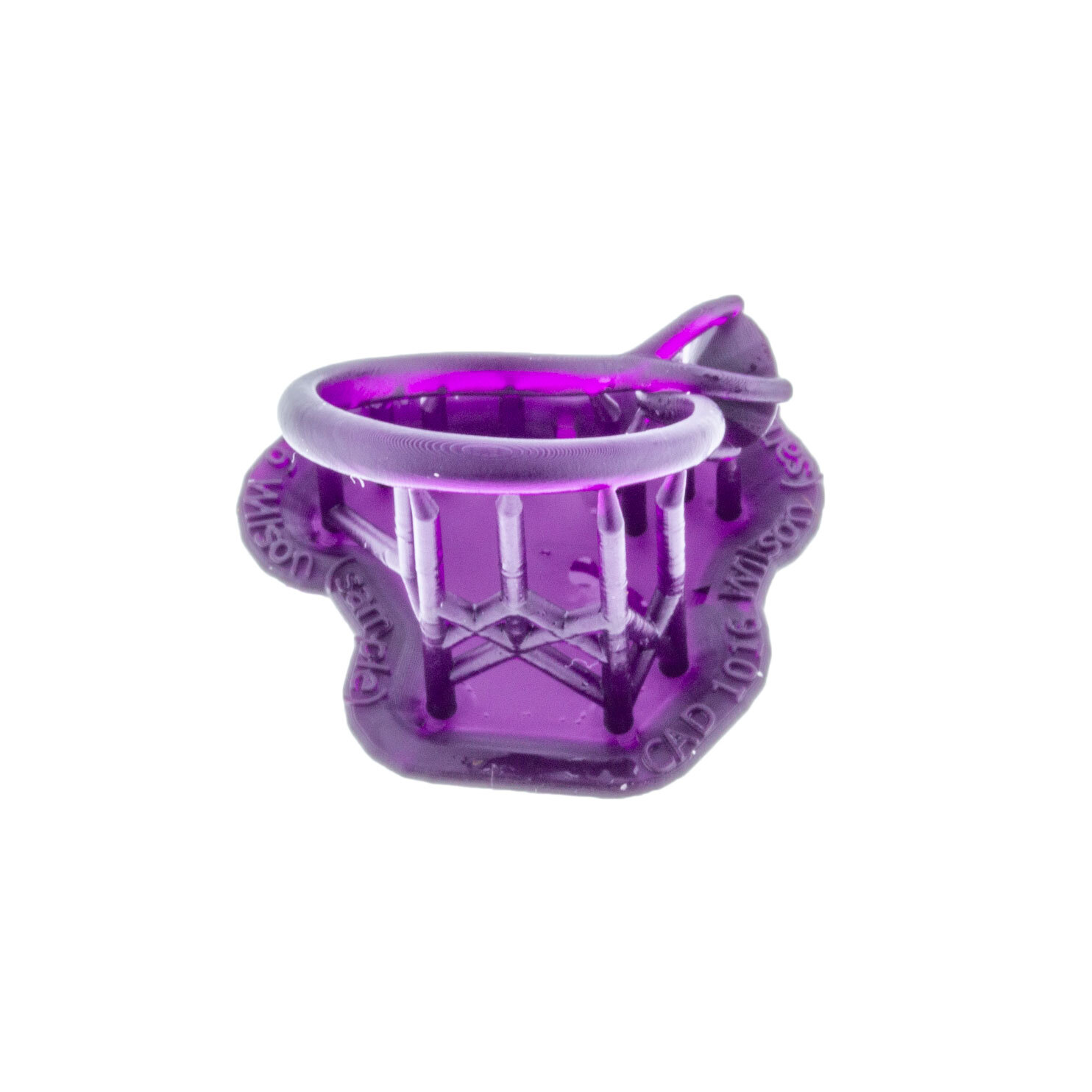
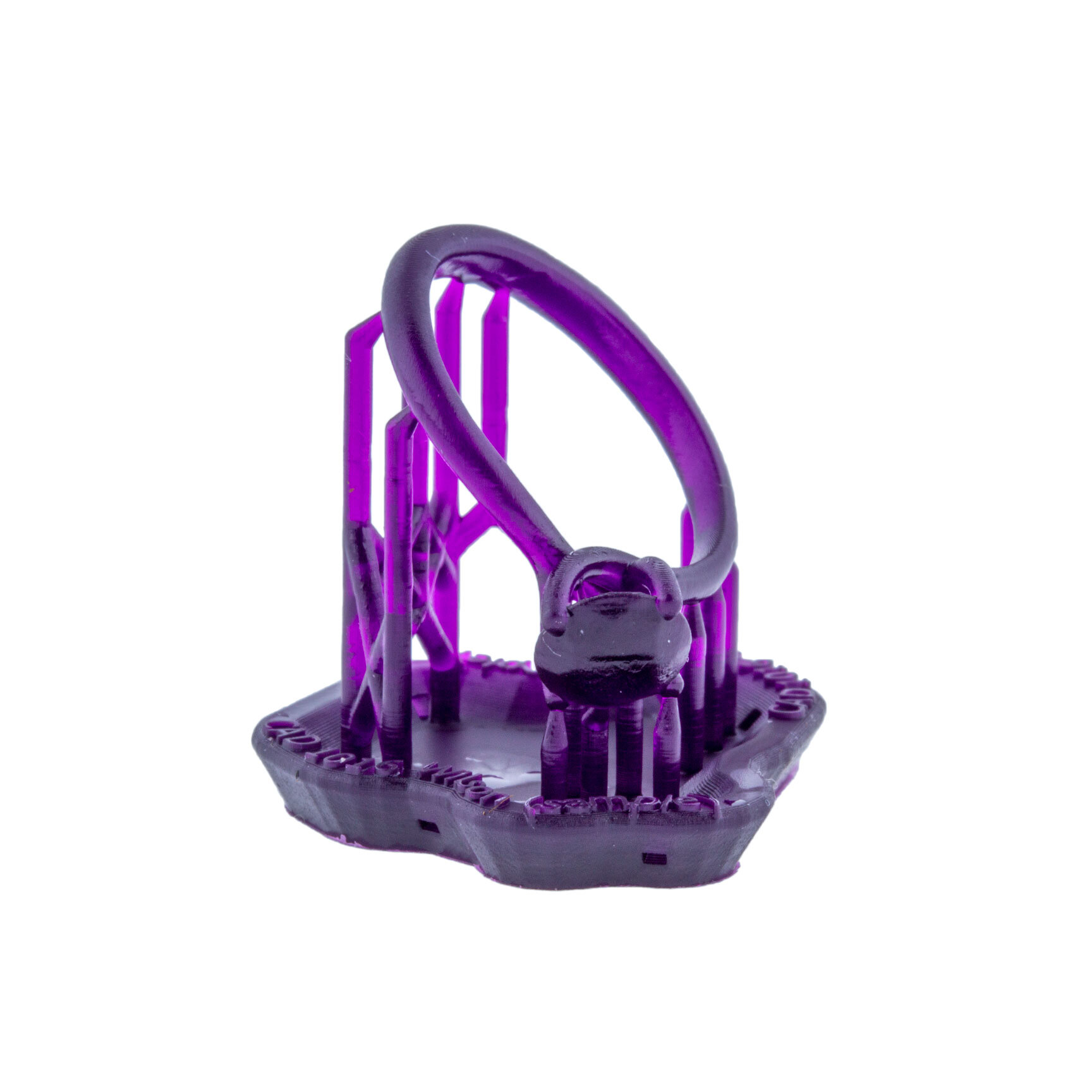
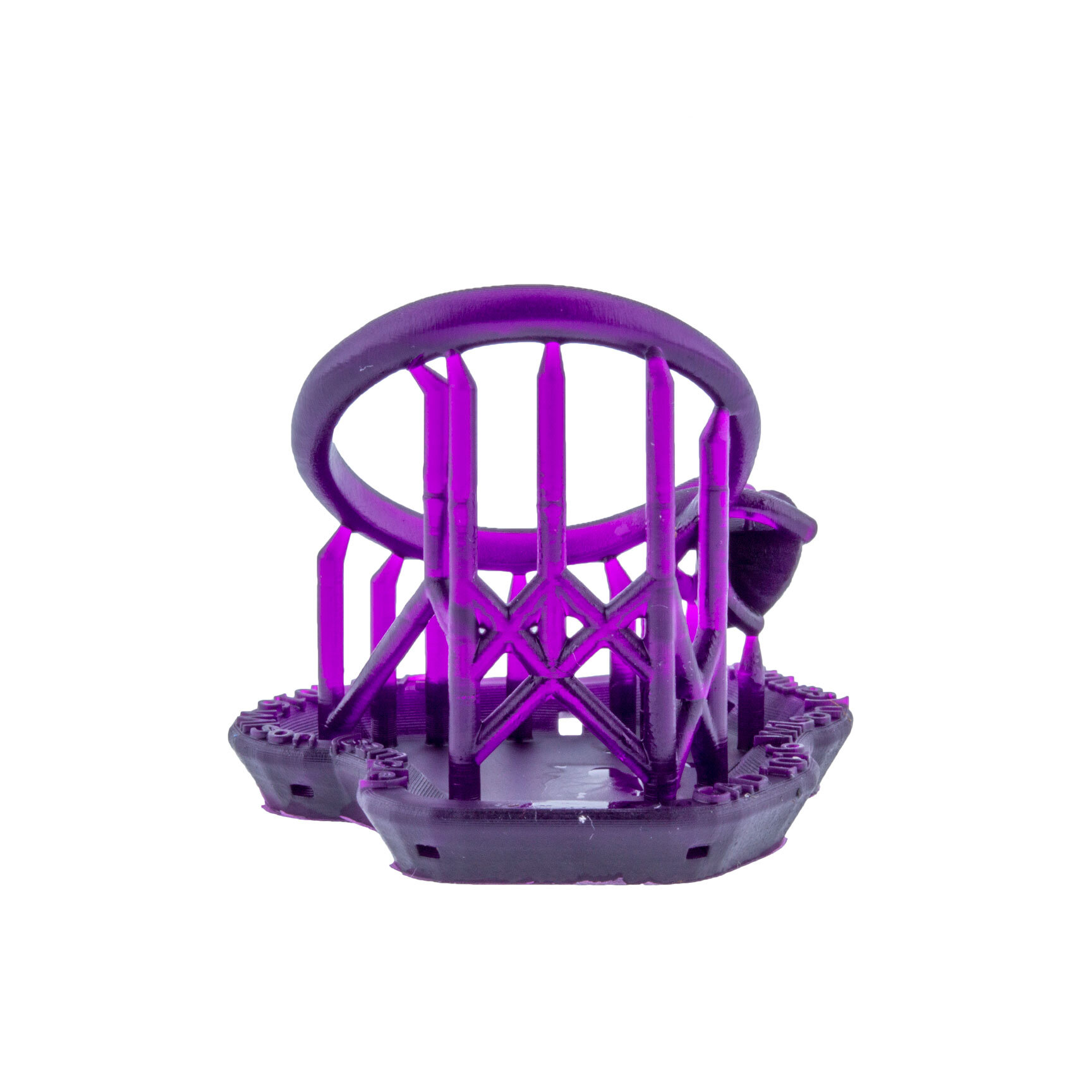
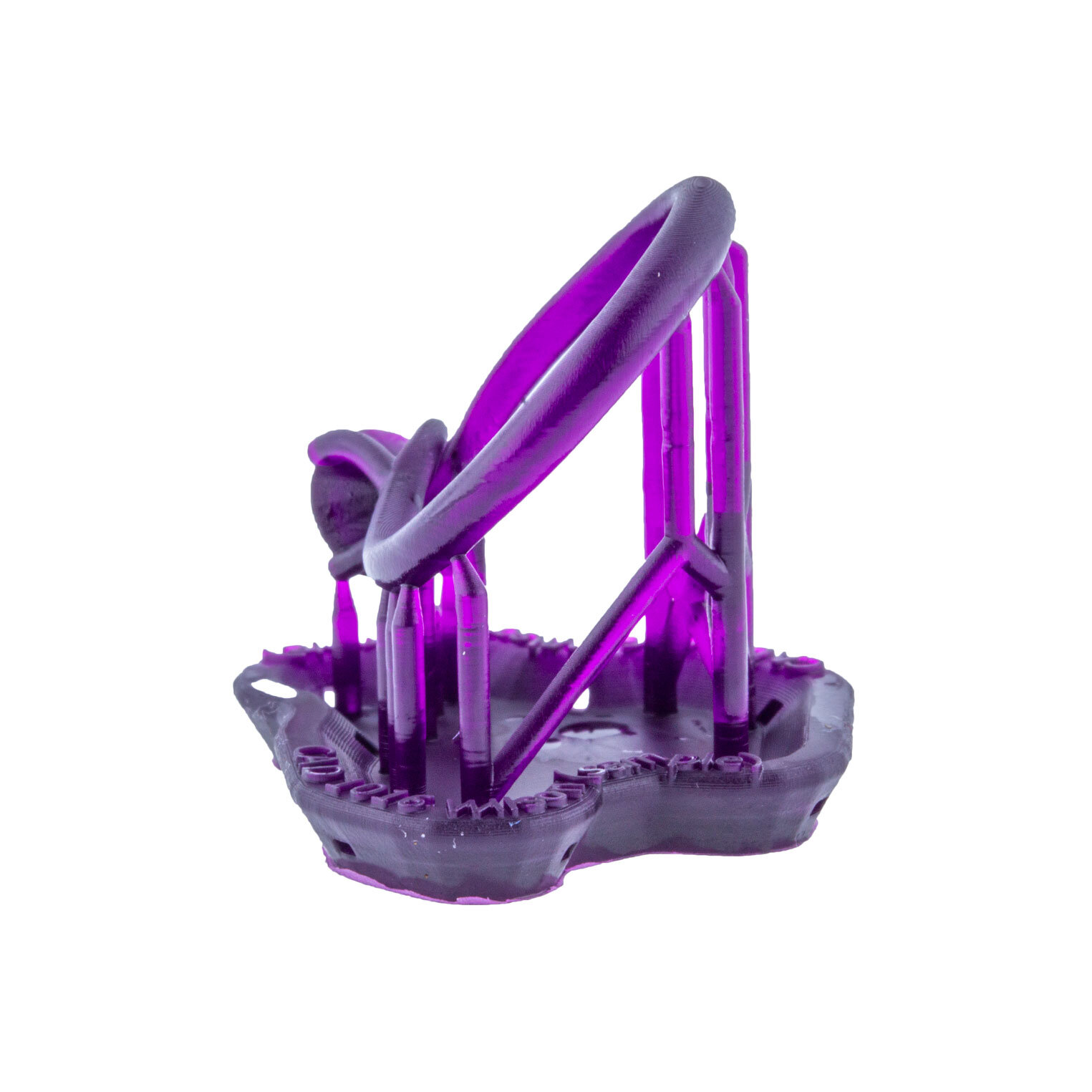
Below are photos of the first 3D printed ring we produced, once it has been detached from the light-touch supports (scaffolding like structure around the ring) it is ready for our customer to try-on.



If you would like more information about the bespoke jewellery our Leeds jewellers can create for you please contact us.